If you love the idea of strolling a brick-lined square, grabbing dinner at a local spot, and walking home past restored cottages, Historic Downtown McKinney might be your kind of place. You want character, convenience, and community without giving up access to dining and culture. In this guide, you will learn what daily life feels like near the McKinney Square, what types of homes you will find, how prices tend to shake out, and what to know about inspections and historic rules before you buy. Let’s dive in.
Why Historic Downtown McKinney stands out
Walkable square and culture
Historic Downtown McKinney centers on the courthouse square and a tightly knit grid of storefronts, galleries, and restaurants. Anchors like Chestnut Square Historic Village, the Collin County History Museum, the Heard-Craig arts center, and the McKinney Performing Arts Center give the area a strong sense of place. Get a feel for the district’s vibe from the city’s tourism hub for Historic Downtown McKinney.
Events that bring the Square to life
Signature festivals keep the calendar full and the sidewalks lively. Arts in Bloom, Oktoberfest, Texas Music Revolution, Home for the Holidays, and Krewe of Barkus are recurring draws that create steady foot traffic for local businesses. Expect weekend energy during events and a friendly, small-town feel most weekdays.
Getting around and parking
Compared with the city at large, the historic core is compact and easy to walk. The city offers free downtown parking to support a pedestrian-friendly Square. You will find free 3-hour on-street parking on weekdays from 8 a.m. to 5 p.m., plus free all-evening and weekend parking in city lots and garages. Review details and maps on the city’s Downtown Parking page.
Homes and architecture you will see
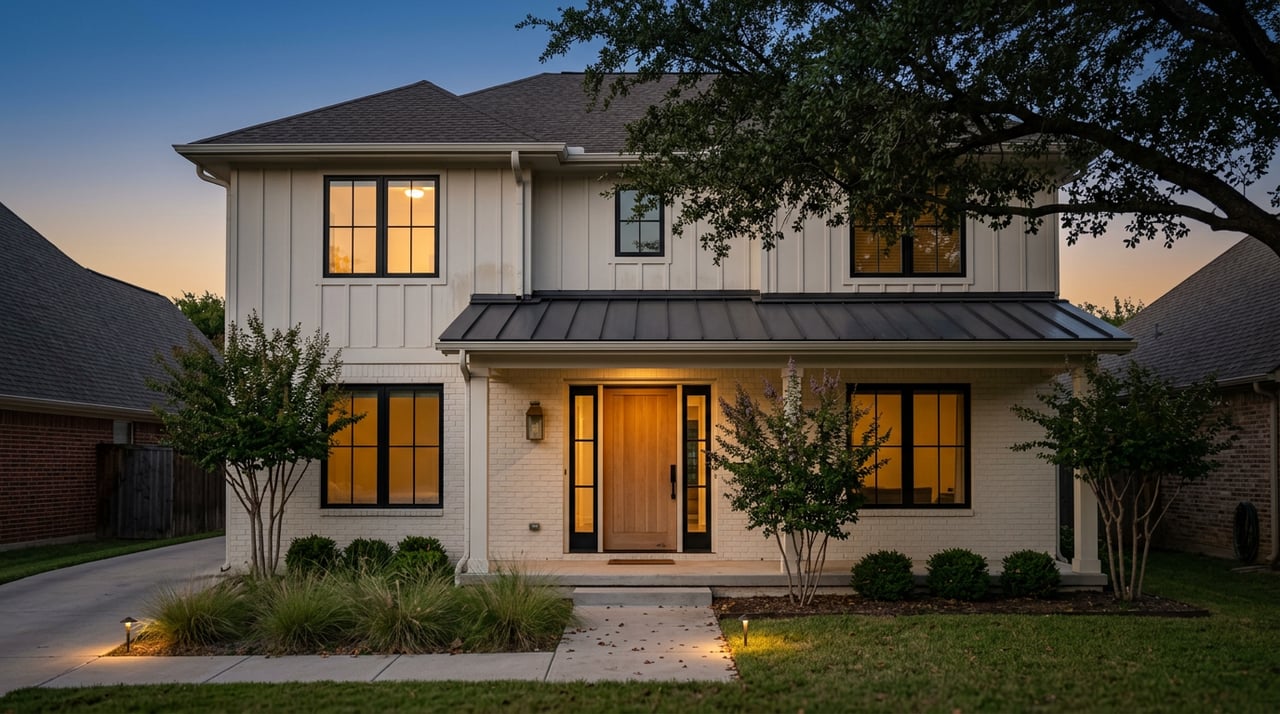
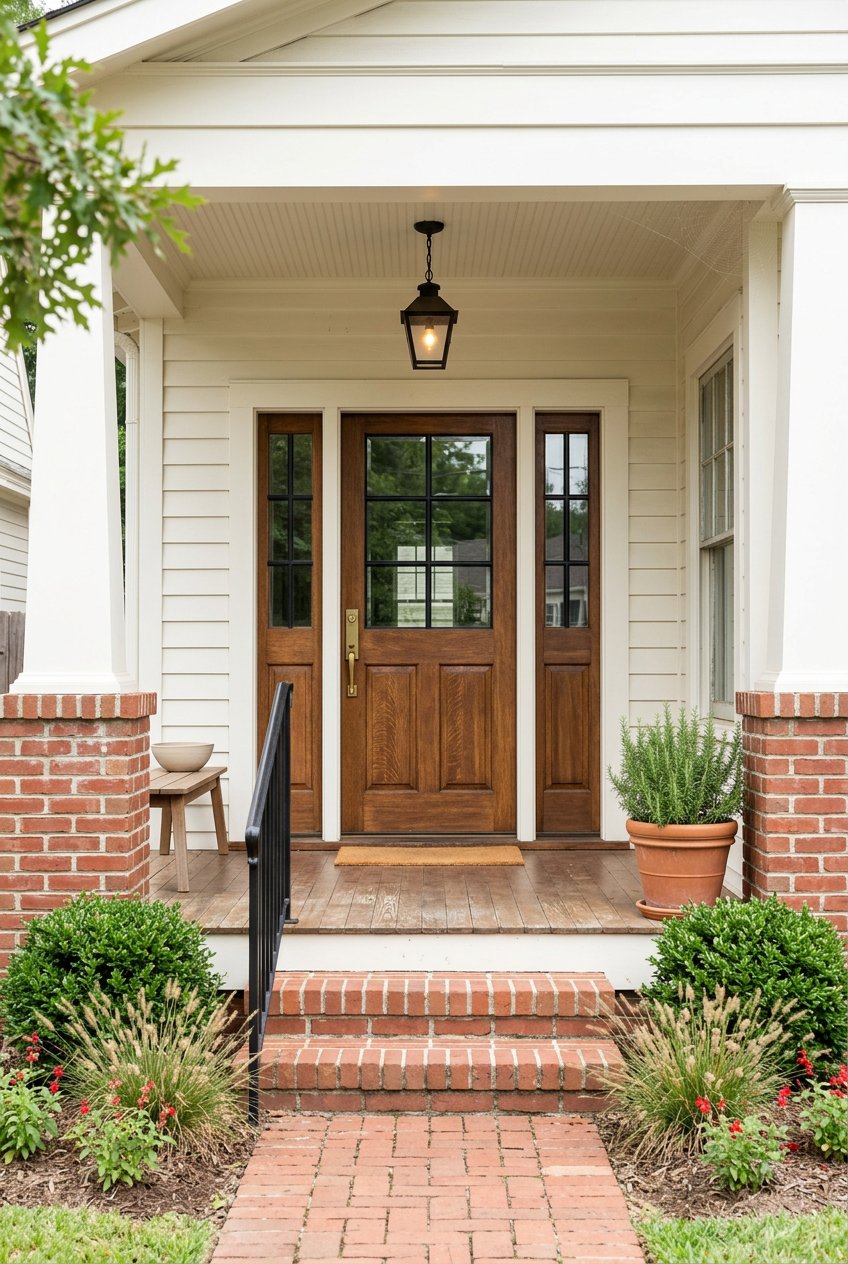
Historic neighborhoods around the Square mix late 19th and early 20th century styles with later infill. You will see National Folk, Queen Anne and other Victorian-era details, Colonial Revival, and plenty of Craftsman bungalows and American Foursquares. Mid-century Minimal-Traditional and Ranch homes appear on some blocks as well. A city historic resources survey presented to boards and council outlines this palette and its prevalence in the core city fabric. For background on the city’s historic resources work, view the public meeting archive here.
Chestnut Square Historic Village serves as a living-history anchor that reflects the neighborhood’s early houses and craftsmanship. It is a great place to picture the proportions and materials common to the period. Explore the site and its context on the state’s downtown preservation portal for Chestnut Square Historic Village.
In terms of scale, many original houses near the Square were built roughly 1880 to 1930. You will find modest Craftsman bungalows and Folk-Victorian cottages in the 1,000 to 1,600 square foot range on lots typically under 10,000 square feet. Renovated period homes or expanded cottages often jump to 2,000 square feet or more. Renovation level varies widely block to block, which is part of the neighborhood’s charm.
What homes cost today
Neighborhood-level services show Historical McKinney’s recent 12-month median sale price in a moving band from the mid $400,000s to the mid $600,000s, with one snapshot near $549,500 and price per square foot in the low to mid $300s. Small sample sizes and a changing mix of listings can swing the numbers quickly, so treat any single median as a point-in-time guide.
As a quick pricing map at the time of writing:
- Small or older cottages that need work often list around $300,000 to $400,000.
- Renovated and expanded historic homes more commonly land around $500,000 to $800,000.
- Larger or fully updated properties with standout lots or finishes can push toward or past $1 million.
Inventory is limited compared with fast-growing outer suburbs, which can affect pricing and time on market. If you are serious about buying, ask for a fresh MLS snapshot within a few days of touring so you have the latest comparables.
Daily life on and around the Square
Eat and drink locally
You can walk to butchers and restaurants tied to local producers, including the Local Yocal family of concepts highlighted in this roundup of specialty markets in McKinney. Longtime standbys like Square Burger anchor the dining scene. Breweries and taprooms round out the options for a casual afternoon with friends.
Arts, history, and performances
You are steps from the Collin County History Museum, the Heard-Craig arts center, and performances at the McKinney Performing Arts Center inside the old courthouse. The combination of culture, walkability, and historic buildings makes everyday errands feel more like a Saturday stroll.
Tradeoffs and what to inspect
Older homes come with character and, often, projects. Plan ahead for a smart purchase.
Old-home systems to budget for
- Foundation movement: Much of North Texas sits on expansive clay soils, so foundation settling is common. Typical residential repairs in the DFW area often run in the mid-thousands. Many routine jobs fall roughly in the 3,000 to 12,000 dollar range, while more extensive work can cost more. A structural engineer’s evaluation is wise if you see signs of movement. See statewide context in the Texas Hazard Mitigation Plan.
- Termites and wood-destroying insects: Subterranean termites are a known regional risk. A WDI inspection and timely treatment are standard due diligence. Learn the basics from Texas A&M’s overview of termites in Texas homes.
- HVAC, roof, wiring, and plumbing: Older systems may be near end-of-life. Budget for possible HVAC replacement, roof work, and electrical or plumbing upgrades. Typical projects can range widely by scope. A national guide outlines that HVAC replacements often fall around the low thousands to low tens of thousands, and kitchen or bath updates can range from low tens of thousands and up depending on finishes. Review a general cost primer on home renovation budgets and always get local quotes.
Historic district rules and incentives
If the property sits in a local historic overlay or contributes to a district, exterior changes that affect historic character may require a Certificate of Appropriateness. Routine maintenance that does not alter materials or form is usually treated differently. Start with the city’s page for Historic Preservation and COA guidelines.
McKinney also offers incentives that can help with restoration. The Historic Neighborhood Improvement Zone provides a tax exemption for eligible owner-occupied projects, and the Neighborhood Empowerment Zone offers impact fee waivers for certain infill. Programs have rules, timelines, and reapplication requirements. Review current details on the city’s Economic Incentives page and verify eligibility with the City and the Collin Central Appraisal District.
Buyer checklist for downtown homes
Use this quick list as you tour and write offers:
- Age and service records for roof, HVAC, water heater, and major systems.
- Any foundation reports, installed piers, or engineer letters.
- Recent termite or WDI reports and treatment history.
- Whether the property is in the HNIZ and if a current tax exemption is in place.
- Any past COA approvals or permits for exterior changes.
- Parking arrangements and any on-street rules that affect residents. Check the city’s Downtown Parking page for public options.
- Whether the lot is inside a Local Historic District or carries a historic marker. See the city’s Historic Preservation hub for contacts and maps.
Who this neighborhood fits
If you value walkability, local restaurants, and a lively calendar of downtown events, the area around the Square will feel like home. You will trade larger yards and turnkey systems for charm, location, and a close-knit street life. Buyers who enjoy projects or plan for phased updates often find good opportunities here. To preview the lifestyle and attractions, explore the city’s guide to Historic Downtown McKinney.
Your next steps
- Tour during different times of day to gauge traffic, event activity, and noise.
- Bring a contractor or inspector to second tours if systems look dated.
- Ask your agent for a fresh MLS snapshot of recent sales and current competition.
- Review the preservation and incentives pages before you plan exterior changes.
Ready to explore homes near the Square or talk through renovation plans and incentives? Let’s tailor a plan for your goals. Schedule a free consultation with Cardinal Realty Group and get your instant home valuation.
FAQs
Is Historic Downtown McKinney walkable and how is parking handled?
- The core is more walkable than the city average, and the city provides free 3-hour on-street parking on weekdays plus free all-evening and weekend parking, along with event shuttles. See details on Downtown Parking.
What types of homes are common near the Square?
- You will see a mix of National Folk, Queen Anne and other Victorian styles, Colonial Revival, Craftsman bungalows and Foursquares, plus later Minimal-Traditional and Ranch homes. Many date from 1880 to 1930 with bungalows often around 1,000 to 1,600 square feet and larger renovated homes 2,000 square feet or more. The city’s public meeting archive outlines the surveyed styles here.
How much do downtown McKinney homes cost right now?
- Neighborhood medians have recently ranged from the mid $400,000s to the mid $600,000s, with one snapshot near $549,500 and price per square foot in the low to mid $300s. Small sample sizes can swing these figures quickly. Ask your agent for a current MLS snapshot before you write an offer.
What renovations may need approval in the historic overlay?
- Exterior work that changes historic character often requires a Certificate of Appropriateness. Routine maintenance that does not alter materials or form is treated differently. Start with the city’s Historic Preservation guidance.
Are there city incentives for restoring historic homes downtown?
- Yes. The Historic Neighborhood Improvement Zone offers a 10-year tax exemption for eligible owner-occupied projects, and the Neighborhood Empowerment Zone can waive impact fees for some infill. Review the latest rules on Economic Incentives and confirm eligibility with the City and the Collin Central Appraisal District.
What are common inspection issues for older Texas homes near the Square?
- Foundation movement due to expansive clay soils, termite risk, and aging HVAC, roof, electrical, and plumbing systems are typical. Budget for possible repairs and get expert evaluations. Learn about regional foundation context in the Texas Hazard Mitigation Plan and review Texas A&M’s guide to termites.