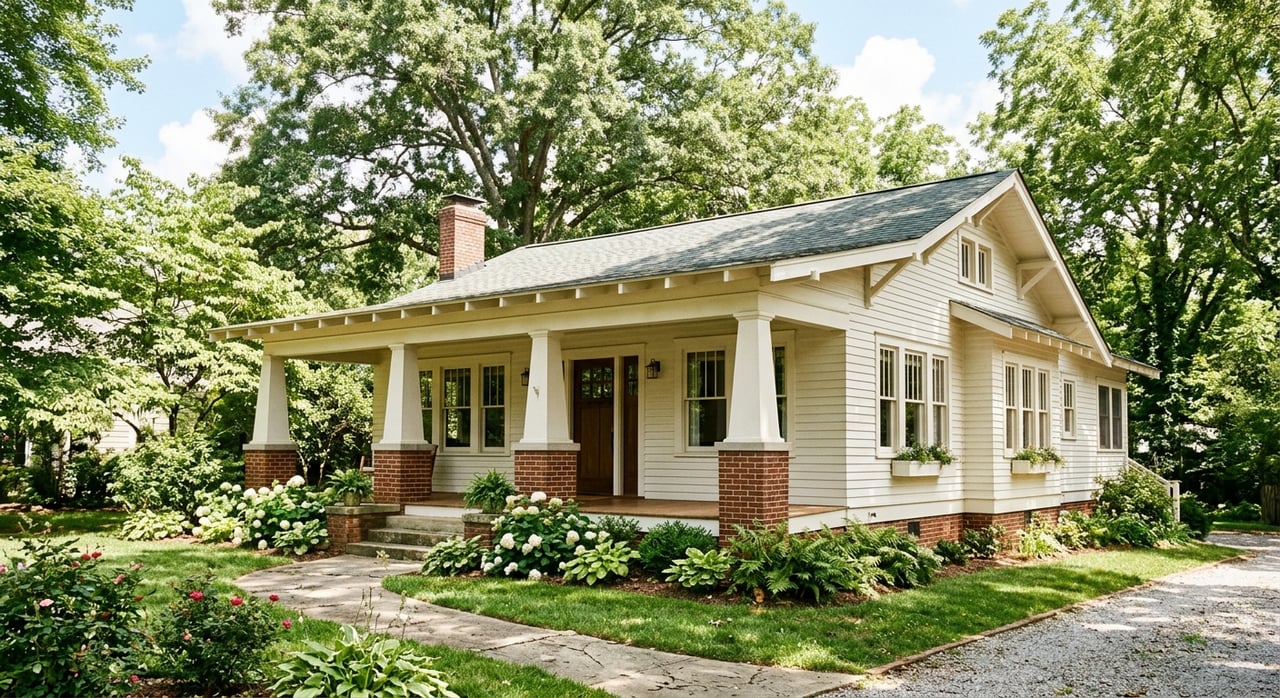
Thinking about buying a historic home in East Dallas? It is easy to fall for the original woodwork, deep front porches, and one-of-a-kind architecture. But charm is only part of the story, and if you want to buy with confidence, you need to understand how historic district rules, inspections, appraisals, and insurance can affect the process. Here’s what you should know before you make an offer.
Why East Dallas Historic Homes Stand Out
East Dallas has several officially designated Dallas landmark districts, including Swiss Avenue, Munger Place, Junius Heights, Peak's Suburban Addition, and Edison / La Vista Court. According to the City of Dallas, these districts are recognized for having a strong concentration of structures tied together by architecture or historical significance.
That history shows up in the streetscape. East Dallas grew through late 19th-century subdivision and early 20th-century streetcar expansion, and many homes from that period still reflect the design trends of the time. In areas like Munger Place and along the Swiss and Gaston corridors, you’ll often see Prairie, Mission Revival, Colonial Revival, and Spanish Colonial Revival influences.
In Junius Heights, the architectural mix is especially broad, though Craftsman Bungalows are the dominant style. The district also includes Folk Victorian cottages, Prairie homes, Tudors, Colonial Revival, Neoclassical, Queen Anne, and Spanish Eclectic homes. Typical Craftsman details include low-pitched gables, wide eaves, exposed rafters, and front porches with square columns.
Peak's Suburban Addition has its own identity as well. The City of Dallas notes that it has one of the highest concentrations of Victorian homes in Dallas, along with Queen Anne, Folk Victorian, Craftsman, Mission, Neoclassical, Colonial Revival, and Tudor examples.
Historic District Rules Matter
When you buy in a Dallas landmark district, you are not just buying a house. You are also buying into a set of preservation rules that can shape what you can change on the property.
The City of Dallas requires a Certificate of Appropriateness before exterior work begins on properties in landmark districts or on individually designated landmarks. This applies to more than major remodels. Depending on the property and project, it can also affect roofing, windows, columns, siding, cleaning, some fence work, rear work, and even major landscaping changes.
That is why one of the smartest first questions to ask is whether the home is contributing or non-contributing within the district. You should also request the district ordinance early, especially if you already have ideas about updating the exterior. What seems like a simple project on a newer home may involve a different review path in a historic district.
Know What “Contributing” Can Mean
In historic districts, a contributing structure is typically one that adds to the historic character of the district. That status can affect how exterior changes are reviewed and whether the home may qualify for certain city tax incentives for rehabilitation work.
For example, Swiss Avenue is especially notable because it was the first local historic district designated in Dallas, and the district protects the front and side facades of contributing structures. If you are considering a home there, facade changes may be more limited than you expect.
Before closing, it helps to confirm the home’s status and review any prior approvals or improvements. That can give you a clearer picture of what has already been done and what future work may require city review.
Inspections for Older Homes Need Extra Attention
Many East Dallas historic homes were built long before modern building standards. That does not make them a poor choice, but it does mean your inspection process should be more detailed and more intentional.
Start with the basics by checking permit history for major system work. Electrical, plumbing, roofing, and foundation repairs deserve close attention, especially if the home has been updated over time. Older homes can have a mix of original and newer components, and that can affect both near-term repair costs and long-term maintenance.
If the home was built before 1978, lead-based paint is another important issue. The EPA says many homes built before 1978 contain lead-based paint, and buyers of most pre-1978 housing have the right to know about known lead hazards before signing.
If you are planning any remodeling, lead-safe practices matter. The EPA also notes that renovation work in pre-1978 homes can create significant lead dust unless proper precautions are used.
Asbestos is another concern that may come up in older properties. The EPA says asbestos cannot be identified by sight alone, so if suspect materials are damaged or a remodel may disturb them, the material should be sampled by a trained and accredited asbestos professional.
Budget for Renovation Approvals
If you love the idea of restoring a historic home, make room in your budget and timeline for approvals. In Dallas landmark districts, exterior work cannot start until the signed Certificate of Appropriateness is posted and any required building permits are obtained.
That matters because many buyers focus on renovation cost and forget about process. Even routine exterior items can go through review, so your schedule may look different than it would with a non-historic property.
The good news is that Dallas does offer historic tax incentives for qualifying rehabilitation work. The city says the program applies to contributing structures in city historic districts, offsets only city property taxes, and requires annual filing with DCAD.
Qualifying work can include roofing, windows, sheetrock, carpentry, electrical, plumbing, mechanical, flooring, foundation work, and paint. Applications are filed each year between January 1 and April 30, so timing matters if you plan to pursue that benefit.
Historic Home Appraisals Can Be More Nuanced
A historic home is not automatically worth more just because it is old or architecturally interesting. Appraisers look at the market, not just the story.
Appraisal guidance explains that appraisers typically rely on the sales comparison approach by analyzing the most comparable sales, contract sales, and listings. They may also use the cost approach, which estimates replacement cost and then deducts depreciation. Condition, construction, features, and market area all matter.
For unique or older homes, finding the right comparable sales can take more work. Fannie Mae says older homes can still be acceptable collateral if the appraiser can support value with older comparable sales, comparable sales in competing neighborhoods, similar properties in the market area, and other reliable market data.
Fannie Mae also notes that there is no restriction on the actual age of a dwelling as long as its quality and condition are acceptable to typical purchasers. In East Dallas, that means charm can help marketability, but maintenance, layout, updates, and available comps still play a major role in value.
Insurance May Look Different Too
Insurance is one of the biggest areas where historic homes can surprise buyers. If you wait until the last minute to get quotes, you may end up scrambling.
The Texas Department of Insurance says insurers commonly consider a home’s age and condition, replacement cost, materials, location, fire protection, claims history, and credit score when setting premiums. Companies cannot refuse coverage just because a home is old or has high value, but they can charge more.
It is also important to understand the difference between replacement cost and actual cash value. Texas insurance guidance explains that replacement cost pays to repair or replace at current prices, while actual cash value subtracts depreciation. On an older home, that difference can materially affect what you would receive after a covered loss.
You should also ask about endorsements and add-ons. Texas lists options that may help cover extra construction or repair costs to meet local building codes, foundation or slab damage, sewer backup, mold removal, and similar issues.
Flood coverage is another item to review carefully. Texas says most home policies do not cover flood, so a separate flood policy may be needed.
If a home is difficult to insure through a standard carrier, the Texas Department of Insurance says the FAIR Plan and surplus lines may be options, though they are typically more expensive than standard coverage.
Smart Questions to Ask Before You Buy
If you are touring a historic home in East Dallas, a few targeted questions can save you time and stress later.
- Is the property contributing or non-contributing within the historic district?
- What exterior work has been completed, and were approvals obtained?
- What is the permit history for electrical, plumbing, roof, and foundation work?
- If the home predates 1978, what lead disclosures are available?
- If you plan to remodel, have asbestos-aware inspections been considered for suspect materials?
- Has the seller shared any information about insurance costs or past claims?
- Are there any city historic tax incentive filings tied to the property?
These questions help you move past surface-level charm and understand the practical side of ownership.
What This Means for Your East Dallas Search
Buying a historic home in East Dallas can be incredibly rewarding if you know what you are getting into. These homes offer architectural character, neighborhood identity, and details that are hard to find in newer construction.
At the same time, they often require a more careful buying strategy. You need to think through district approvals, inspection scope, possible lead or asbestos issues, appraisal complexity, and insurance structure before you commit.
If you want a home with character and a story, East Dallas offers some of the most distinctive options in Dallas. The key is pairing that excitement with a plan that helps you make a smart, informed decision.
When you are ready to explore East Dallas historic homes with a team that understands Dallas neighborhoods and can help you navigate the buying process with clarity, connect with Cardinal Realty Group.
FAQs
What should you know about historic district rules in East Dallas?
- If a home is in a Dallas landmark district, exterior work usually requires a Certificate of Appropriateness before work begins, and some routine items like roofing, windows, siding, and fences may also go through review.
What should you ask before buying a historic home in East Dallas?
- Ask whether the property is contributing or non-contributing, request the district ordinance, review permit history for major systems, and confirm any lead disclosures if the home was built before 1978.
What inspection issues matter most for older East Dallas homes?
- Electrical, plumbing, roof, and foundation history are important, and pre-1978 homes may require extra attention for lead-based paint and asbestos-related concerns before remodeling.
How are historic homes in East Dallas appraised?
- Appraisers look at comparable sales, condition, construction, features, and market area, and older or unique homes may require support from less typical comps or similar homes in competing areas.
How can insurance differ for an East Dallas historic home?
- Premiums may be affected by age, condition, materials, and replacement cost, so it is smart to get quotes early and ask whether the policy uses replacement cost or actual cash value and whether code-related add-ons are included.